
The Finnish Approach to Childhood
Finland is internationally recognised for its child-centred approach to education and strong focus on wellbeing. Children are encouraged to learn through play, exploration and everyday experiences, while developing confidence, curiosity and independence.
My approach is inspired by these values. As a nanny, I focus on providing warm, attentive care and supporting each child's natural development through meaningful activities, everyday routines and secure relationships, rather than formal teaching.
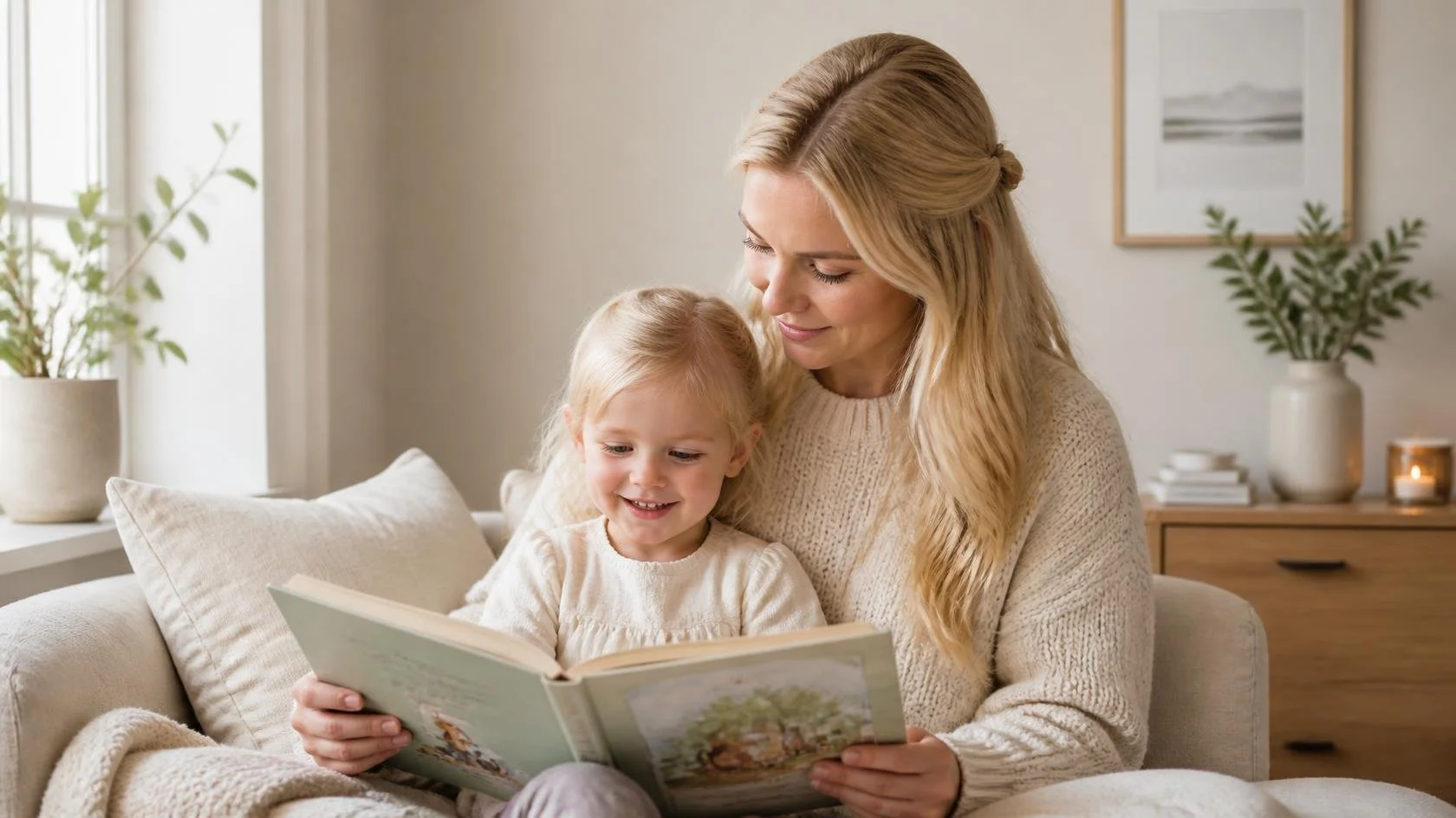
The Core Principles of the Finnish Childcare Approach
-
Play is not a break from learning – it is learning. Everyday activities become opportunities to develop language, creativity, problem-solving, social skills and confidence.
-
Outdoor time is an essential part of childhood. Whenever possible, I encourage fresh air, movement and exploration in nature to support both physical and emotional wellbeing.
-
Children are encouraged to participate in daily routines according to their developmental stage. Simple tasks such as dressing, helping prepare snacks or tidying toys build confidence and responsibility.
-
Children learn best when they feel safe. I prioritize secure attachment, predictable routines and respectful communication so children feel confident exploring the world around them.
-
Children deserve kindness, but they also benefit from clear, consistent expectations. I guide behaviour with empathy while helping children learn emotional regulation, cooperation and respect for others.
-
The best childcare happens when parents and nanny work together. Open communication ensures consistency between home routines and childcare, creating stability for your child.
What is the Finnish Early Childhood Education and Care Curriculum (VASU)?
The Finnish National Core Curriculum for Early Childhood Education and Care (VASU) provides the national framework for early childhood education in Finland. It is based on children's rights, equality, inclusion, play-based learning and child well-being.
Rather than focusing on academic achievement, the curriculum supports children's holistic development through play, exploration, movement, creativity and meaningful interactions. Every child is seen as an active participant in their own learning, and close cooperation with families is an essential part of the curriculum.
The Five Learning Areas
The curriculum is organized into five integrated learning areas. These are not separate school subjects but are naturally combined through everyday activities and play.
-
Language development and communication
Storytelling, books, songs and rhymes
Vocabulary and literacy foundations
Multilingualism and cultural awareness
-
Visual arts
Music and singing
Dance and movement
Drama and imaginative play
Crafts and creative expression
-
Emotional and social skills
Finnish traditions and different cultures
Diversity and inclusion
Values, ethics and citizenship
Understanding communities and everyday society
-
Nature and environmental education
Mathematics through play
Science and inquiry
Technology and problem-solving
Observation and experimentation
-
Physical activity and motor skills
Healthy lifestyle habits
Nutrition and rest
Safety skills
Independence and self-care
The Core Principles of the Finnish Curriculum
The curriculum is built around several key principles:
Play is the primary way children learn.
Learning happens through everyday experiences.
Children are active participants, not passive learners.
Each child is respected as an individual with their own strengths, interests and pace of development.
Learning is holistic, integrating different learning areas instead of teaching isolated subjects.
Close collaboration with families supports the child's development and well-being.
Inclusion and equality ensure that every child receives the support they need.
How Learning Looks in Practice
Instead of traditional lessons, learning takes place through everyday experiences. For example, a simple trip to forest can include observing plants (science), counting pinecones (mathematics), learning new vocabulary (language), climbing and balancing (physical development), creating nature art (creative expression) and discussing how to care for nature (social responsibility and sustainability).
Supporting Children Under Three Years Old
As my speciality is caring for children under three years old, I have outlined below how the principles of Finnish early childhood education can be naturally incorporated into everyday care with young children.
For children under the age of three, learning happens primarily through secure relationships, play, everyday routines, movement and exploration. At this age, there is no need for formal teaching or structured lessons. Instead, adults create a safe, responsive environment where children can discover the world at their own pace.
-
The foundation of all learning is a warm and trusting relationship with a caring adult.
Young children learn best when adults:
respond sensitively to their needs
provide comfort and emotional security
talk about what is happening throughout the day
encourage curiosity and exploration
respect each child's individual pace of development.
When children feel safe, they are confident to explore, play, and learn.
-
Language grows through everyday interactions.
Adults can support language by:
talking about daily routines and experiences
naming objects, emotions, and actions
reading books together every day
singing songs and nursery rhymes
giving children time to communicate, even before they use many words.
Every conversation – even during meals or diaper changes – is an opportunity for language learning.
-
Physical activity is essential for healthy development.
Children should have plenty of opportunities to:
crawl
climb
walk and run
balance
push and pull objects
dance and move freely.
Developing motor skills also supports cognitive development and confidence.
-
Young children learn by exploring with all of their senses.
Offer safe opportunities to experience:
water
sand
natural materials
finger painting
play dough
different textures and sounds.
The process of exploring is far more important than the end result.
-
Play is the child's natural way of learning.
For children under three, play often includes:
sensory play
exploratory play
repetitive play
simple pretend play
playing alongside other children.
Adults support play by observing, joining when appropriate, introducing new words, and following the child's interests.
-
Creative experiences can be simple and joyful:
drawing and painting
music and singing
dancing
simple musical instruments
finger plays and action songs.
The goal is to encourage self-expression and enjoyment rather than producing a finished product.
-
Nature provides endless learning opportunities.
Children can:
collect leaves and pinecones
watch insects and birds
splash in puddles
climb over logs and rocks
experience the changing seasons.
Outdoor play supports physical development, curiosity, well-being, and a connection with the natural world.
-
Young children enjoy practising everyday skills.
Adults can encourage independence by allowing children to:
eat by themselves
help with dressing
wash their hands
tidy up toys
make simple choices.
The emphasis is on practising, not perfection.
-
Consistent routines help young children feel safe and confident.
Regular routines support:
emotional security
language development
self-regulation
growing independence.
The Key Idea
For children under three, learning is not about lessons or academic activities. Learning happens naturally through loving relationships, play, movement, exploration and everyday experiences.
In the Finnish Early Childhood Education curriculum, care, education and teaching are inseparable. Everyday moments –mealtimes, outdoor play, reading together, getting dressed or comforting a child – are all meaningful opportunities to support development and learning.